01 October 2026
How to become a professional pasta maker: from passion to career
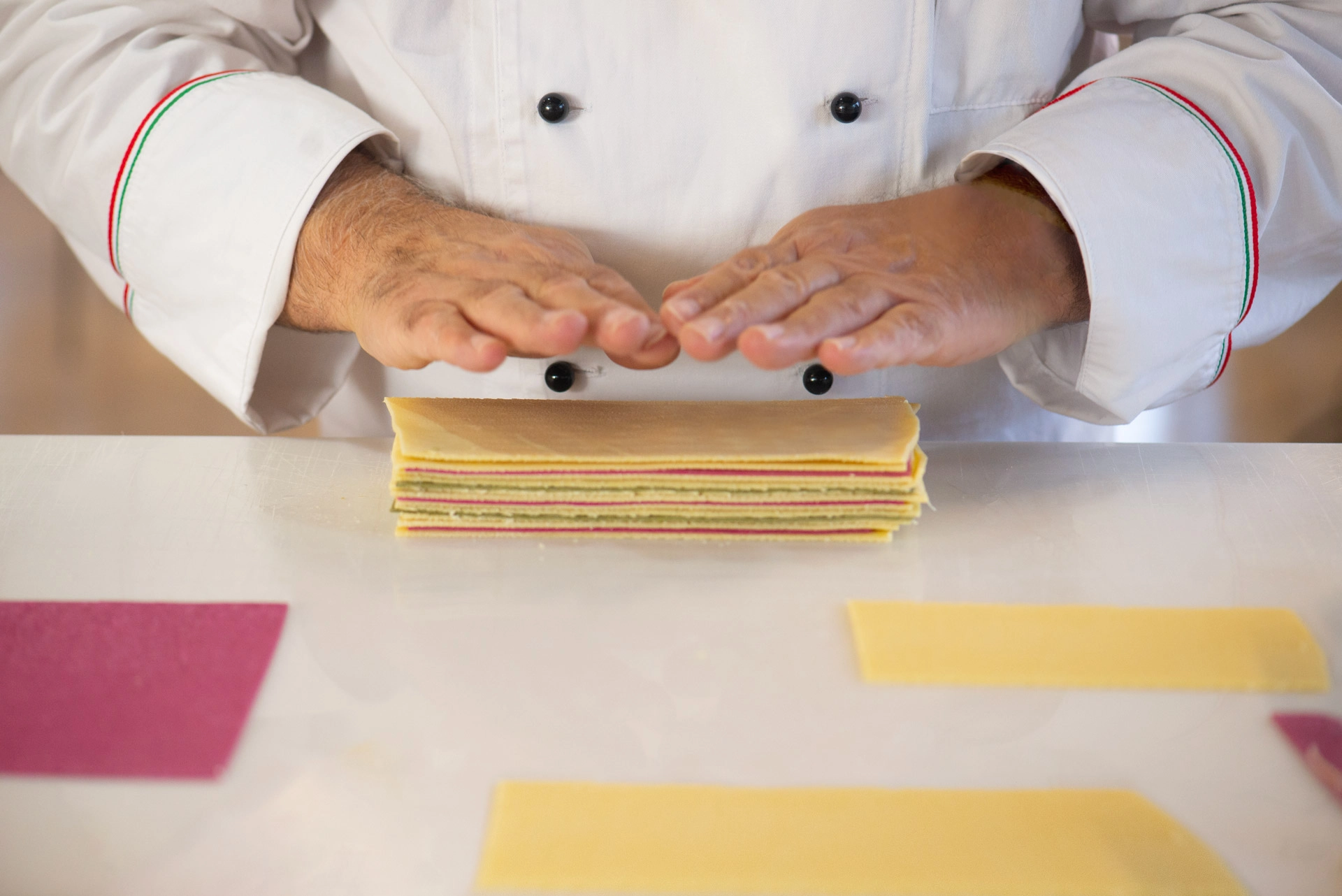
If you love making fresh pasta, you may have asked yourself an important question: can you turn your passion into a professional career?
The answer is yes.
Today, professional pasta makers have opportunities not only in artisan pasta shops, but also in restaurants, delicatessens, specialized production facilities and businesses dedicated to fresh pasta. At the same time, more people are looking to open their own pasta-making business or expand their restaurant’s offering with in-house pasta production.
However, becoming a professional pasta maker involves much more than preparing good dough. It means understanding raw ingredients, knowing how different doughs behave, operating professional pasta-making equipment and learning how to organize production efficiently, consistently and safely.
In this guide, you’ll discover the essential skills, the training path to follow and how to get started, even without previous experience.
What does it really mean to be a pasta maker today?
A modern pasta maker is more than a craftsperson: they are a skilled professional. The traditional image of someone making pasta entirely by hand tells only part of the story.
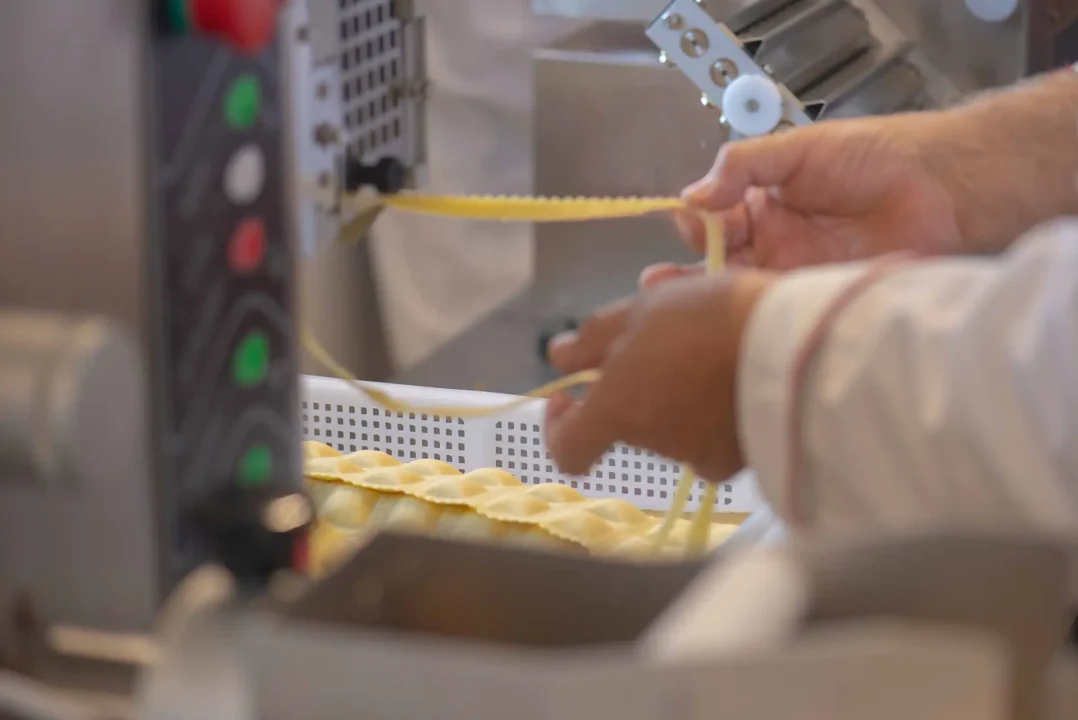
Today’s pasta makers combine tradition with innovation. They need to master artisanal techniques while also knowing how to work with professional dough mixers, pasta sheeters, extruders, ravioli machines and other specialized equipment, choosing the most suitable production method for each type of pasta.
Every day, they make decisions that influence the quality of the final product: from selecting flour and controlling mixing times to managing dough hydration, temperature and storage conditions.
In a professional pasta production environment, making excellent pasta is not enough. The real challenge is achieving consistent results every day, even as production volumes increase.
This ability to combine quality, consistency and efficiency is what distinguishes an enthusiast from a professional pasta maker.
What does a professional pasta maker do?
Professional pasta makers can work in a variety of environments, including:
- Artisan pasta shops;
- Fresh pasta production facilities;
- Restaurants;
- Delicatessens and specialty food shops;
- Food manufacturing companies;
- Businesses specializing in fresh pasta sales.
Their daily responsibilities typically include:
- Selecting and measuring raw ingredients;
- Preparing and processing pasta dough;
- Producing fresh, filled and extruded pasta;
- Operating professional pasta-making equipment;
- Monitoring product quality and consistency;
- Planning and organizing production;
- Following hygiene and food safety procedures;
- Storing and packaging finished products.
Understanding the business side of pasta production
Technical skills are only one part of becoming a successful professional pasta maker.
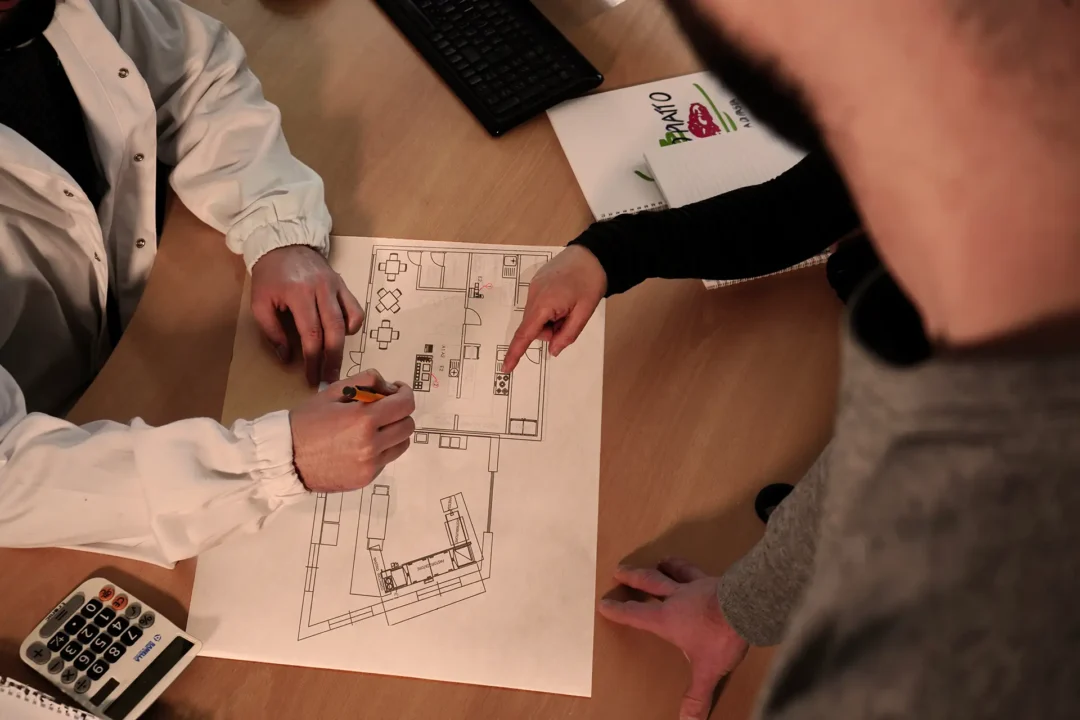
Once you have mastered the production techniques, the next step is understanding how to organize and manage a pasta production facility.
Producing high-quality pasta requires a structured approach: planning workflows, optimizing production times, reducing waste and maintaining consistent product standards.
For those planning to start their own pasta business, additional skills become equally important, including food cost calculation, pricing strategies and production cost management.
A comprehensive professional training program helps develop this broader understanding, which is essential for turning technical expertise into a sustainable business.
What skills do you need to become a professional pasta maker?
Becoming a skilled pasta maker requires a combination of practical, technical and organizational abilities.
Here are some of the most important skills to develop.
Understanding raw ingredients
Every type of flour has different properties that influence water absorption, dough elasticity, workability and final product yield.
Learning to recognize these differences is the first step toward producing high-quality pasta consistently.
Mastering pasta dough techniques
Different pasta shapes and production methods require specific dough characteristics.
Understanding when a dough is ready, how to adjust it and how to adapt it to different working conditions is a skill developed primarily through experience and hands-on practice.
Operating professional pasta-making equipment
In a modern pasta production facility, machines do not replace the pasta maker’s expertise. They enhance productivity and make it possible to apply that expertise on a larger scale.
Knowing how to operate dough mixers, pasta sheeters, extruders and ravioli machines correctly helps ensure more uniform, efficient and repeatable production.
Organizing pasta production
A professional pasta maker must be able to plan production schedules, quantities and workflows while minimizing waste and maintaining continuous, consistent output.
Can you become a pasta maker without experience?
Yes. You can start learning professional pasta making even if you have no previous experience.
Many skilled pasta makers began their careers without a background in the food industry.
What makes the difference is how you learn.
Experimenting at home can be a useful introduction to fresh pasta making. However, working in a professional production environment requires technical knowledge that is difficult to develop through trial and error, online videos or recipes alone.
Professional pasta-making training allows you to understand the reasons behind each technical decision from the beginning, helping you avoid mistakes that might otherwise take months or years to identify and correct.
Why take a professional pasta-making course?
A good professional pasta-making course does more than teach you how to make pasta.
It teaches you how to think and work like a professional.
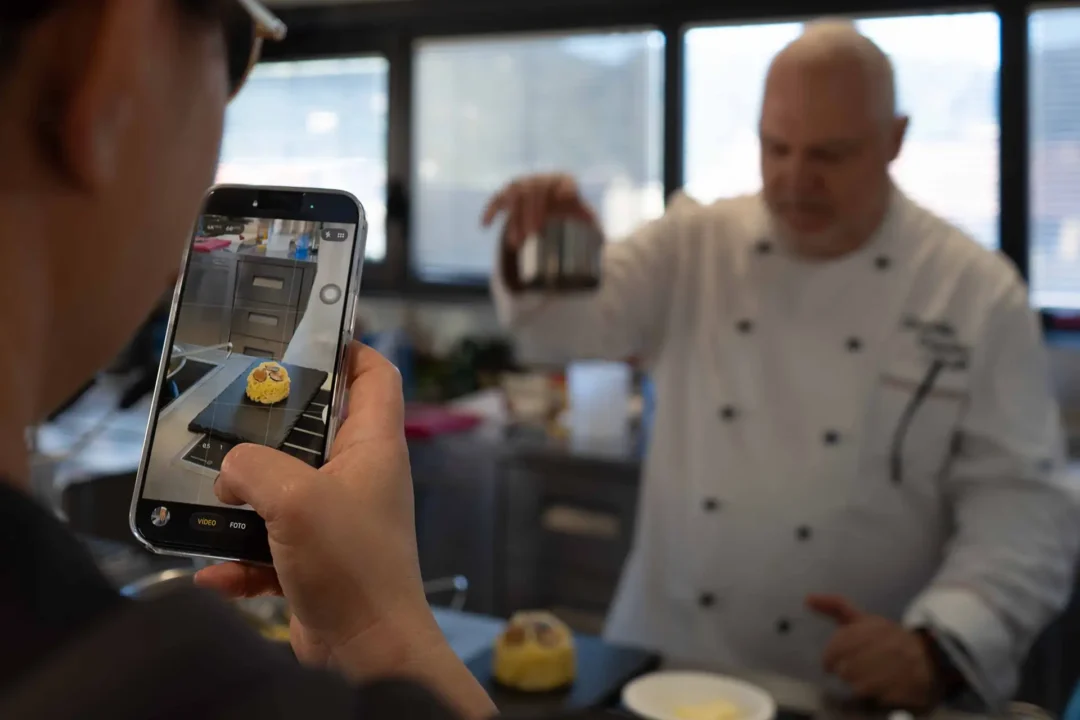
During a hands-on training program, participants work directly with different types of pasta dough, use professional equipment and experience realistic production situations.
They also learn to identify and solve problems that may arise during pasta manufacturing.
The goal is not simply to produce excellent pasta during the course, but to develop a reliable working method that can be applied every day in a professional environment.
Pasta lab pro: the professional pasta-making course at primo piatto
For anyone looking to enter the professional pasta industry, Pasta Lab Pro by Primo Piatto is an ideal starting point.
This professional pasta-making course is designed both for complete beginners and for those who want to strengthen their existing skills through a structured, practical approach.
The training combines theoretical explanations with hands-on activities, allowing participants to work with different types of pasta dough, operate professional pasta-making machines and understand each stage of the production process.
The program also introduces essential business concepts, including food cost management and business planning.
The school is led by Danilo Curotto (MisterPasta®), an internationally recognized pasta-making technician and instructor who has supported pasta manufacturers, restaurants and food businesses for more than 25 years through professional training and the development of new projects.
Career opportunities after a professional pasta-making course
Professional pasta-making skills can open the door to different career opportunities.
After completing their training, aspiring pasta makers may choose to work in:
- Artisan pasta shops;
- Fresh pasta production facilities;
- Restaurants;
- Delicatessens and specialty food businesses;
- Food manufacturing companies.
Others may decide to use their newly acquired skills to start their own pasta-making business.
In this case, technical expertise must be combined with additional considerations, such as production facility design, equipment selection, workflow organization and the financial sustainability of the project.
These are also areas in which the Primo Piatto teaching team has gained extensive experience through consulting projects for pasta businesses in Italy and internationally.